Omnissa ThinApp 2512.0.0-266 Free Download - FileCR
Free Download Omnissa ThinApp 2512.0.0-266 Full Version - Run legacy or incompatible apps in any environment.
Free Download Omnissa ThinApp 2512.0.0-266 Full Version - Run legacy or incompatible apps in any environment.
Free Download Omnissa ThinApp (Formerly VMware ThinApp) for Windows PC. It is a powerful application virtualization tool that allows programs to run independently without requiring changes to the operating system.
Application virtualization has become an important part of modern IT environments. Organizations often struggle with software conflicts, operating system upgrades, and application compatibility. This is where the tool offers a smart and reliable solution. It allows programs to run in isolated environments so they do not interfere with the operating system or other applications.
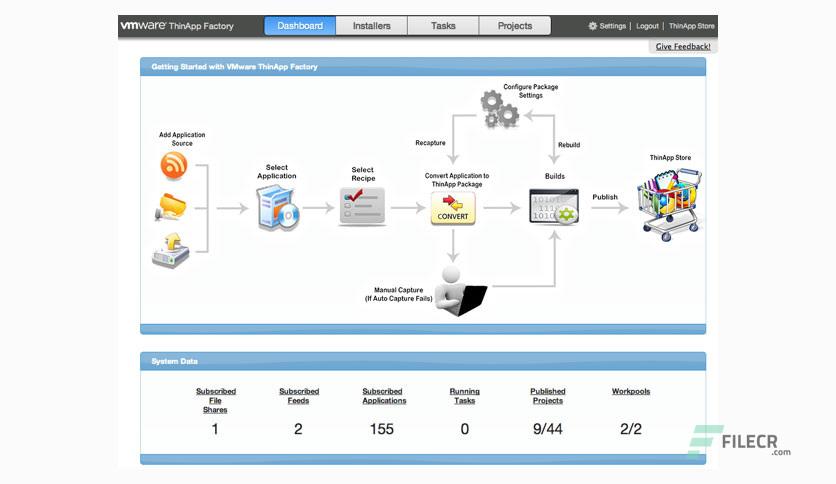
The software works like a protective bubble around applications. Instead of installing a program directly on the system, it packages the application into a virtual container. This container holds all the files, settings, and dependencies needed to run the program smoothly. Because of this design, users can launch software without worrying about compatibility problems or system changes.
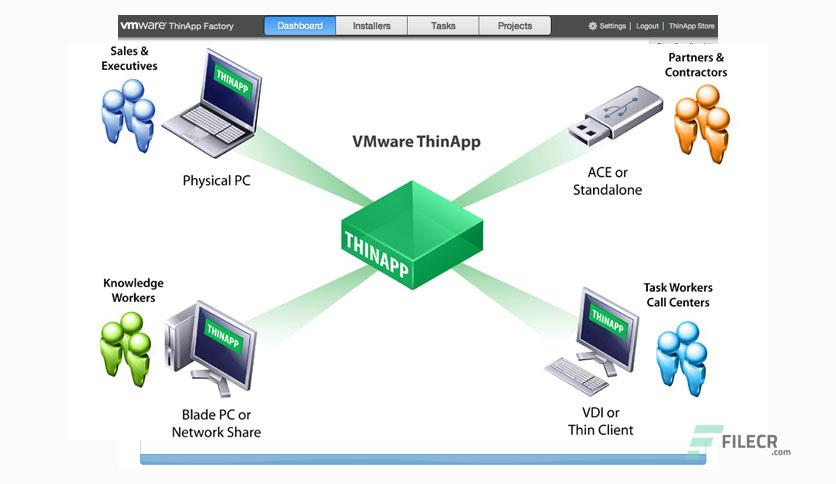
This technology makes application deployment faster and easier. IT teams can deploy virtualized applications across multiple systems without having to repeat complex installations. In simple terms, it is like carrying a portable version of a program that works almost anywhere.
One of the strongest advantages of the tool is the ability to speed up application deployment. Traditional installations require manual setup on each device. This process can take time and may result in errors if the settings are not configured properly.
With virtualization, programs can be packaged once and used across many computers. This means administrators can deploy applications in minutes instead of hours. It works like preparing a ready-to-eat meal. Once the package is prepared, it can be served anywhere without extra cooking.
This approach not only saves time but also reduces workload for IT teams. Instead of repeatedly handling complex installations, they can focus on managing and improving the overall infrastructure.
Operating system upgrades often create compatibility challenges. Older software may not work properly on newer systems, slowing the migration process. This is especially common in organizations that rely on legacy applications.
The software solves this issue by allowing older programs to run in isolated environments. Even if the operating system changes, the application continues to operate inside its virtual container. This makes OS upgrades smoother and less stressful.
Think of it like moving fragile items during a house move. When they are packed safely in boxes, they remain protected even if the environment changes. Similarly, virtualization protects applications from system changes.
Many businesses still depend on older web applications that require specific browsers or plugins. Unfortunately, modern systems often no longer support these outdated technologies. This creates difficulties for employees who still need access to those applications.
The tool allows legacy web applications to be packaged together with the browser they depend on. Both run inside the same isolated environment. This means the program can operate without affecting the modern browser installed on the system.
This approach ensures that critical business tools remain usable even after technology changes. It's like preserving an old machine in a controlled environment so it continues working without interfering with newer equipment.
Software conflicts are a common issue in many systems. Two applications might require different versions of the same library or component. When both are installed on the same machine, one program may stop working properly.
Virtualization removes this problem by isolating applications from each other. Each program runs inside its own environment with its own dependencies. Because of this separation, programs no longer fight over system resources.
Imagine giving each application its own private workspace. When everyone has their own desk, there is no need to compete for space. This organized setup makes the system more stable and predictable.
Server environments often run multiple applications simultaneously. Managing these programs can become complicated when they share the same system resources. Conflicts or compatibility issues can disrupt server performance.
The software allows several applications to run safely on the same server by isolating them. Each application operates independently while still sharing the server’s hardware resources. This improves efficiency and reduces the need for multiple servers.
It is similar to having separate apartments inside one building. Every tenant has their own space, but they all share the same structure. This approach saves resources while maintaining independence.
Another benefit of virtualization is improved security. Because applications run in isolated environments, they cannot easily affect the core operating system. Even if something goes wrong inside the virtual container, the main system remains protected.
This separation also improves system stability. If an application crashes, it usually does not impact other programs or the operating system. Users can simply restart the application without dealing with larger system problems.
For organizations, this means fewer disruptions and more reliable systems. Stability is especially important in workplaces where downtime can affect productivity and business operations.
Managing large numbers of applications across multiple systems can be complicated. Administrators often spend hours installing updates, fixing conflicts, and troubleshooting compatibility issues.
The software simplifies this process by packaging applications into portable virtual environments. Updates can be applied to the package once and then distributed to users. This eliminates the need to manually update each system.
It works like updating a master template. Once the template is improved, every copy automatically benefits from the change. This makes application management more efficient and less time-consuming.
Omnissa ThinApp offers a practical way to simplify application deployment, reduce software conflicts, and support legacy programs. By isolating applications from the operating system, it creates a stable environment where programs can run safely without interfering with each other. This approach helps organizations handle operating system migrations, improve server efficiency, and maintain compatibility with older software. For businesses looking to streamline application management and improve system reliability, it offers a smart, effective solution.


Leave a comment
Your email address will not be published. Required fields are marked *