Rizin Download (Latest 2026) - FileCR
Free download Rizin 0.8.2 Latest full version - Advanced toolkit for deep binary analysis work.
Free download Rizin 0.8.2 Latest full version - Advanced toolkit for deep binary analysis work.
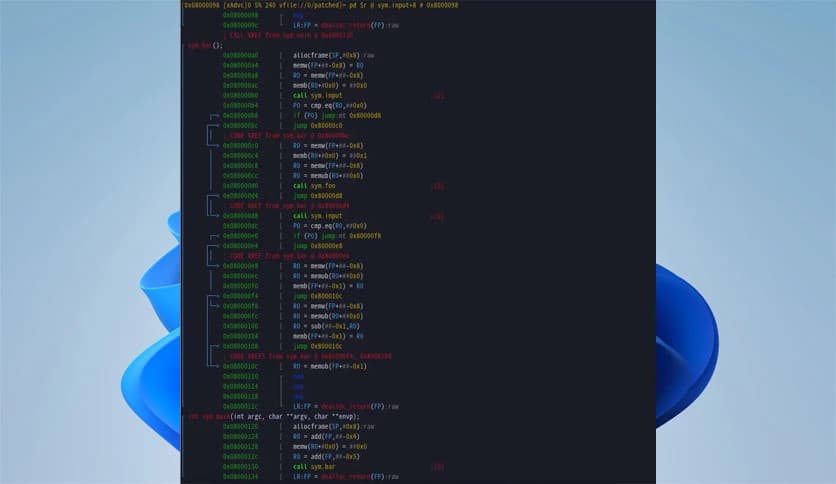
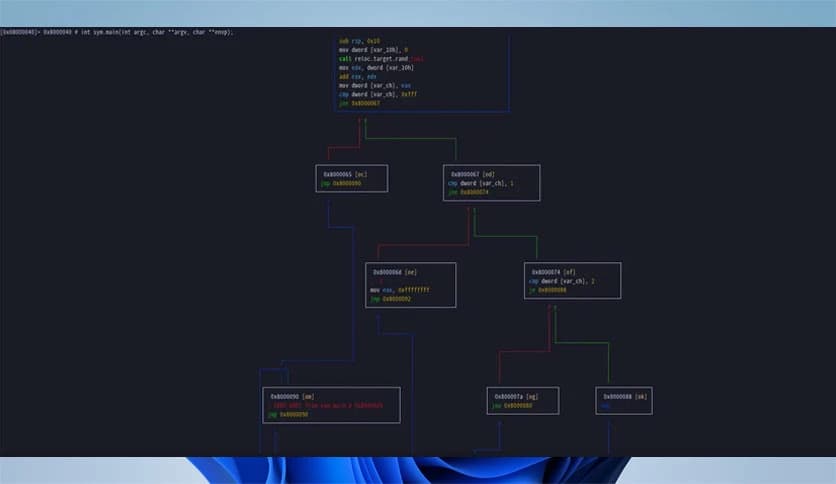
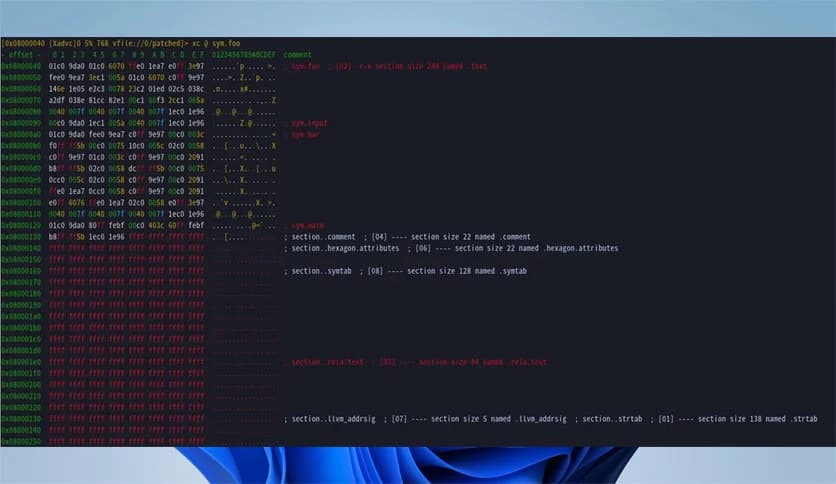
Free Download RizinOrg Rizin for Windows PC. It is a powerful reverse engineering framework designed for analyzing binaries with speed, flexibility, and precision.
Reverse engineering tools are essential for developers, security researchers, and anyone interested in understanding how software works internally. This framework is designed to make that process easier, faster, and more reliable. It provides a powerful environment for examining binaries, debugging programs, and exploring compiled code in a clean and structured way.
The framework follows a Unix-friendly philosophy, meaning it works efficiently from the command line while staying lightweight and flexible. Instead of forcing users into heavy graphical environments, it allows them to work directly in a shell-like interface tailored for binary analysis. This makes it perfect for professionals who prefer speed, automation, and scripting.
At the same time, the ecosystem supports graphical tools and visual interfaces for those who prefer a more visual workflow. Because of this hybrid approach, the framework is suitable for beginners learning reverse engineering as well as experienced analysts working on complex projects.
One of the framework's biggest strengths is its ability to analyze binary files with remarkable depth. When software is compiled, the readable source code is transformed into machine instructions. Reverse engineering tools help reveal what those instructions are doing.
The platform works like a microscope for compiled programs. It allows users to inspect memory, explore functions, analyze instructions, and understand how different parts of a program interact. With just a few commands, analysts can navigate complex binaries and quickly discover useful information.
This makes the software extremely valuable in cybersecurity, vulnerability research, malware analysis, and software debugging. By exposing the internal structure of applications, users gain a clearer understanding of how programs behave behind the scenes.
Unlike many reverse engineering tools that rely heavily on graphical interfaces, the software emphasizes command-line efficiency. It behaves like a shell designed specifically for binary analysis.
This design offers several advantages. Command line workflows are fast, scriptable, and flexible. Analysts can automate repetitive tasks, integrate the framework into pipelines, or run complex analysis commands without navigating menus.
Think of it like using a professional toolbox instead of a single multi-tool. Every command focuses on a specific task, and together they create a powerful environment for deep analysis.
For advanced users, this approach saves time and increases productivity. It allows them to focus on solving problems instead of clicking through interfaces.
Even though the command line is the core environment, the ecosystem also provides graphical tools for users who prefer visual workflows. The official graphical interface is called Cutter.
The GUI transforms binary analysis into a visual experience. Instead of only reading command outputs, users can explore graphs, code flows, and function relationships through interactive widgets.
These visual tools become especially helpful when working with large or complex binaries. Functions, instructions, and control flows can be displayed as diagrams, making the structure of the program easier to understand.
Beginners often find the graphical interface more approachable because it presents information clearly. Meanwhile, experienced analysts benefit from the advanced visualizations when dealing with complicated reverse engineering challenges.
The graphical environment introduces a flexible workspace with movable widgets. Users can arrange panels exactly how they prefer, creating a custom analysis dashboard.
For example, one panel might display assembly code while another shows memory structures. A third panel may visualize control flow graphs, while another displays strings or symbols found in the binary.
This flexibility makes the tool feel like a digital workbench. Every piece of information can be placed where it is most useful. Analysts can focus on the data that matters most while hiding unnecessary distractions.
Such customization improves productivity because users can tailor the interface to match their workflow.
A highly requested feature now available in the framework is project support. Instead of starting analysis from scratch every time, users can save their work as projects.
This means all analysis results, notes, discovered functions, and configurations can be stored and reloaded later. For long reverse engineering tasks, this feature becomes incredibly useful.
Imagine working on a complex binary for several days. Without project support, every session would require repeating many analysis steps. With project files, progress can be saved and continued later without losing valuable work.
This project system is currently evolving and improving, but it already offers a practical solution for managing larger reverse engineering tasks.
Analyzing stripped binaries has always been one of the biggest challenges in reverse engineering. When a binary is stripped, many useful names and symbols are removed, making the code harder to understand.
The framework introduces a new analysis step that helps identify common functions using FLIRT signatures stored in a signature database. This technique compares unknown functions with known patterns.
When a match is found, the system automatically identifies the function and assigns a recognizable name. This saves analysts from wasting time reverse engineering code that is already well known.
It is like recognizing familiar faces in a crowd. Instead of examining every person individually, the system quickly identifies known patterns and lets analysts focus on the truly unique parts of the program.
The framework is developed with strong community involvement. Developers, security researchers, and enthusiasts contribute improvements, bug fixes, and new features.
This collaborative environment helps maintain high code quality and stability. Because the project welcomes curious contributors, the ecosystem continues to evolve with modern research in binary analysis.
Open development also means transparency. Users can inspect the code, suggest improvements, and participate in discussions about future features.
This culture encourages innovation and ensures the software remains relevant for modern reverse engineering challenges.
Reverse engineering is often used in cybersecurity to analyze suspicious programs. Security researchers frequently inspect malware samples to understand how they behave.
The framework provides the necessary tools for such investigations. Analysts can examine code, track execution flow, and identify hidden functionality within malicious binaries.
This ability helps researchers detect vulnerabilities, discover backdoors, and understand attack techniques. By studying malicious software carefully, security professionals can develop better defenses against cyber threats.
In many ways, the tool acts like a detective kit for digital investigations. Every command and feature helps uncover clues hidden inside compiled programs.
Rizin stands out as a powerful and flexible reverse engineering framework designed for professionals, researchers, and curious learners who want to explore the inner workings of software. By combining a fast command line environment with optional graphical interfaces, it provides both efficiency and visual clarity. The framework continues to evolve with modern binary analysis techniques, project-based workflows, and a supportive open community. Whether you are analyzing malware, debugging applications, or learning reverse engineering, this tool offers a reliable, capable platform for exploring compiled code with confidence.
Leave a comment
Your email address will not be published. Required fields are marked *