Download MAMIYA Game For PC (Latest 2026) - FileCR
Free Download MAMIYA Game Latest Version 2026 for Windows PC. A dark mystery where comfort quietly leads to ruin.
Free Download MAMIYA Game Latest Version 2026 for Windows PC. A dark mystery where comfort quietly leads to ruin.

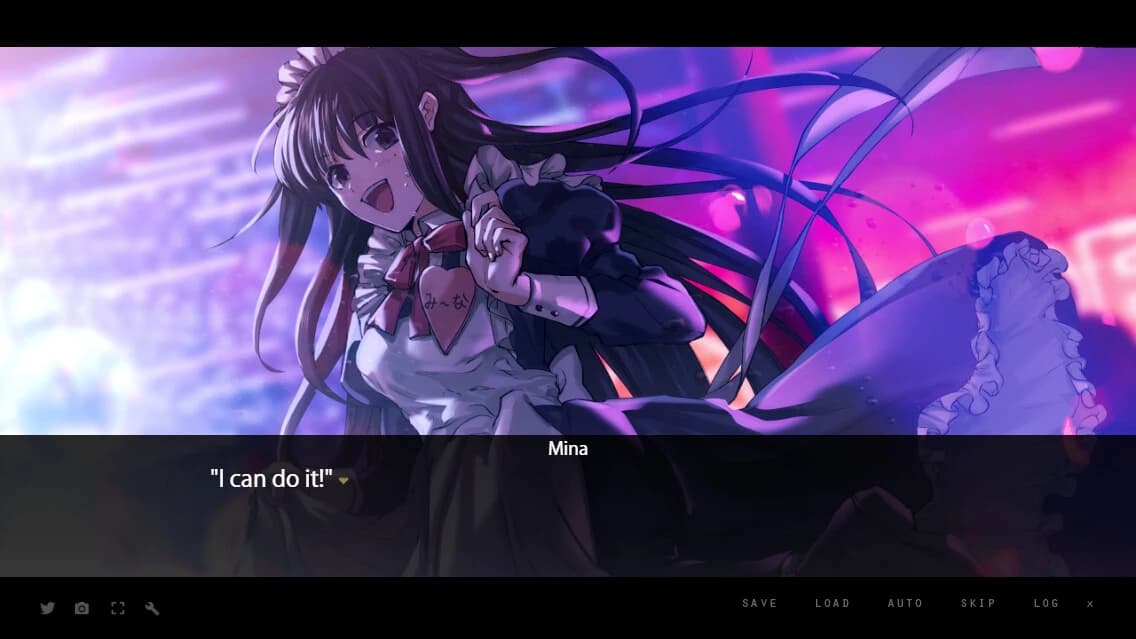
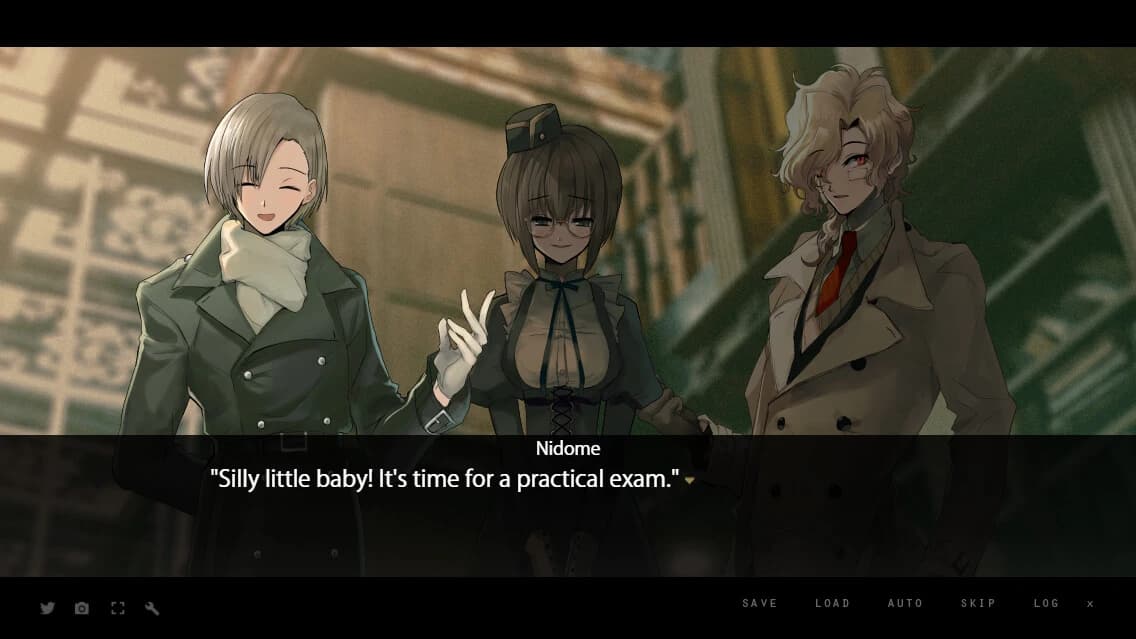
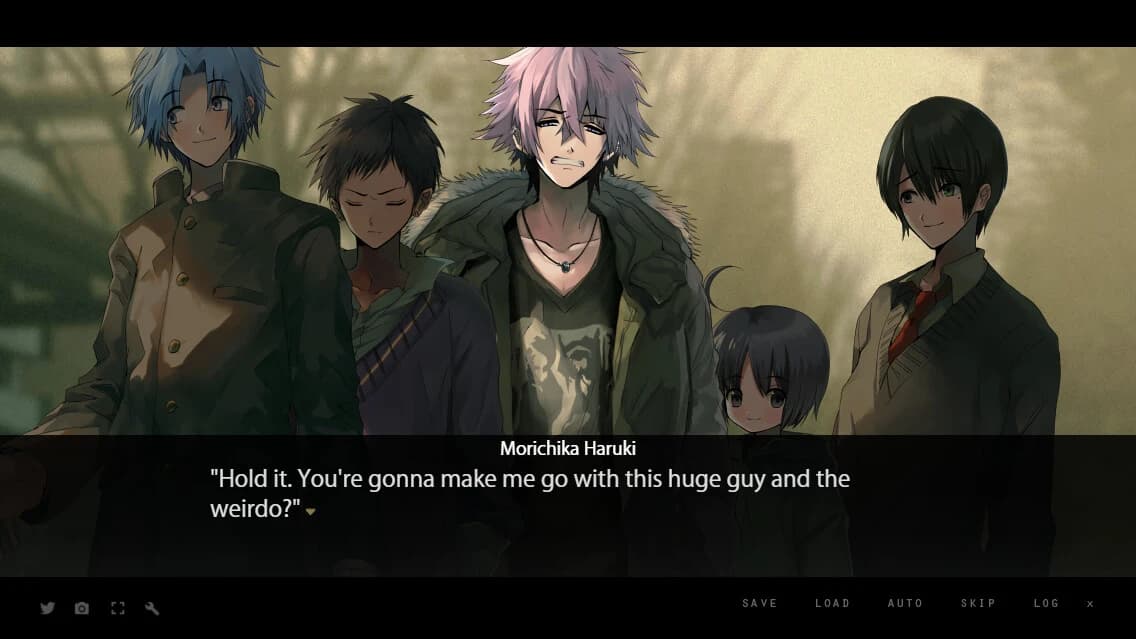
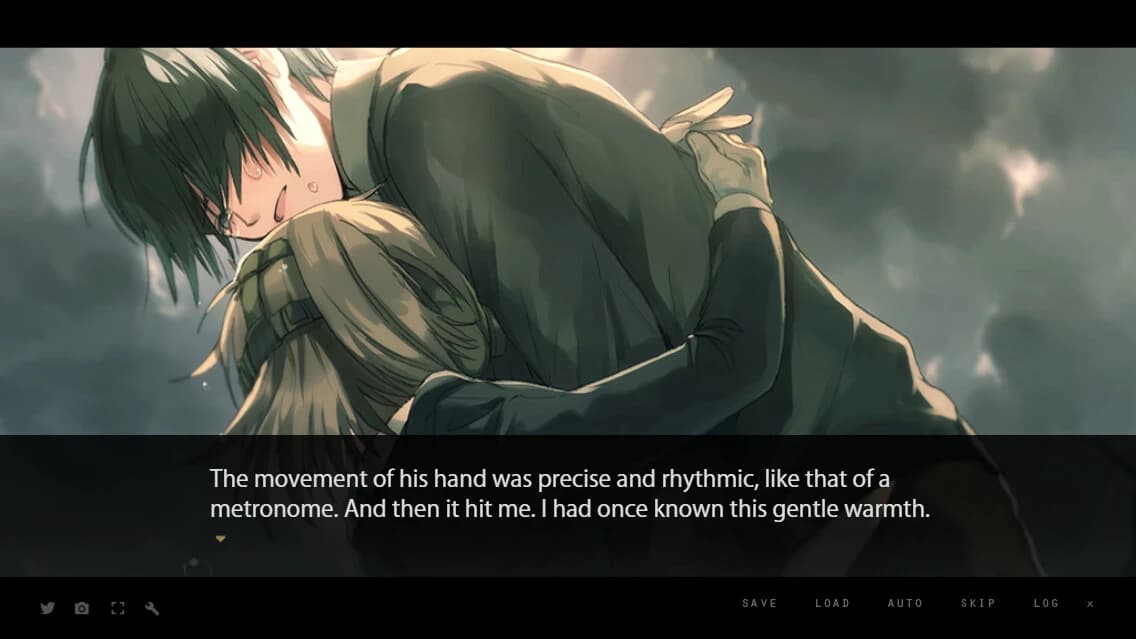
Free Download MAMIYA For Windows PC. A haunting visual novel that pulls you into a quiet apocalypse where fragile minds, fading hope, and an unsettling child reshape everyday life in ways you never expect.
MAMIYA is a dark mystery visual novel that places you inside a version of Tokyo standing on the edge of predicted ruin. Life moves forward as usual on the surface, yet underneath, a group of young men wrestle with fear, meaninglessness, and the weight of existence itself. The story does not rush. Instead, it creeps forward like a shadow at dusk, growing longer with every step you take.
The experience revolves around emotional tension rather than action. Ordinary routines such as school, work, and casual conversations slowly become unsettling. The appearance of a strange child named MAMIYA marks the turning point. At first, this presence feels comforting, almost gentle. Over time, that comfort becomes unsettling, guiding the characters toward a path of loss, self-reflection, and inevitable endings.
What makes this title stand out is how it frames the end of the world not as an explosion but as a quiet collapse within the human heart. Instead of loud chaos, it focuses on silence, guilt, longing, and unspoken thoughts. The result feels intimate, personal, and heavy, like carrying a secret no one else can see.
Each feature supports the story rather than distracting from it. Nothing feels added just for show. Everything exists to serve the emotional weight of the experience.
The gameplay of MAMIYA PC download follows a classic visual novel design but relies heavily on emotional engagement. Reading, making decisions, and observing subtle details are your main tools. There are no complex mechanics or reflex challenges. Instead, attention becomes your strongest skill.
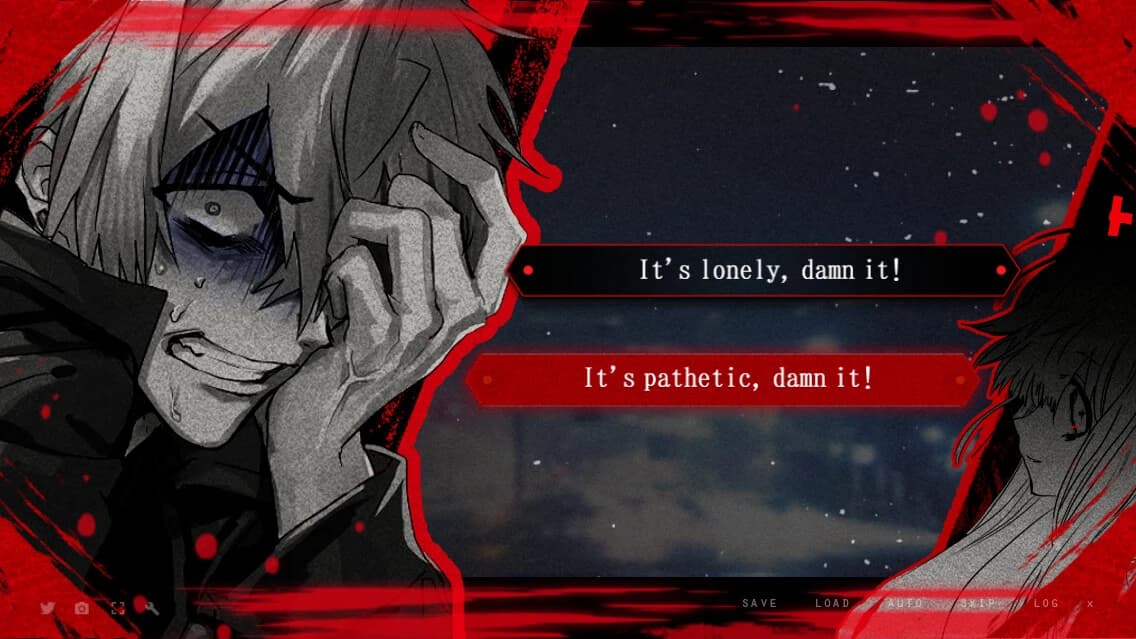
Choices are often understated. A simple response, a moment of hesitation, or a silent decision can change the direction of the story. These choices guide you toward one of many endings, each reflecting a different emotional outcome rather than a clear win or loss.
Progress feels natural. The interface stays clean, keeping the story the focus. Music rises and falls gently, often doing more to express emotion than words alone. The pacing encourages reflection, prompting you to question not only the characters’ actions but also your own reactions as a reader.
Playing feels less like controlling events and more like witnessing lives unfold under pressure.
Each character adds a layer to the overall emotional weight, like separate notes forming a heavy chord.
The story opens in a year when the world was said to end. People continue living as if nothing is wrong, clinging to routine because it feels safer than facing the truth. At a funeral, while others mourn, the main group feels detached. One death feels small compared to the scale of everything else. That numbness sets the tone for what follows.
Days blur together in repetition. Sleep, wake, repeat. Then MAMIYA appears.
This mysterious child slips into daily life quietly, delivering comfort and guidance. At first, it feels like relief, like someone finally understands the emptiness eating away from the inside. Slowly, the guidance becomes troubling. The path ahead promises answers, but also destruction.
The story feels like walking through fog. You can see shapes ahead, but never clearly. Each choice feels small, yet carries lasting consequences. Instead of pushing you forward, the story invites you to sit with discomfort, much like staring into a cracked mirror and recognizing yourself in the fractures.
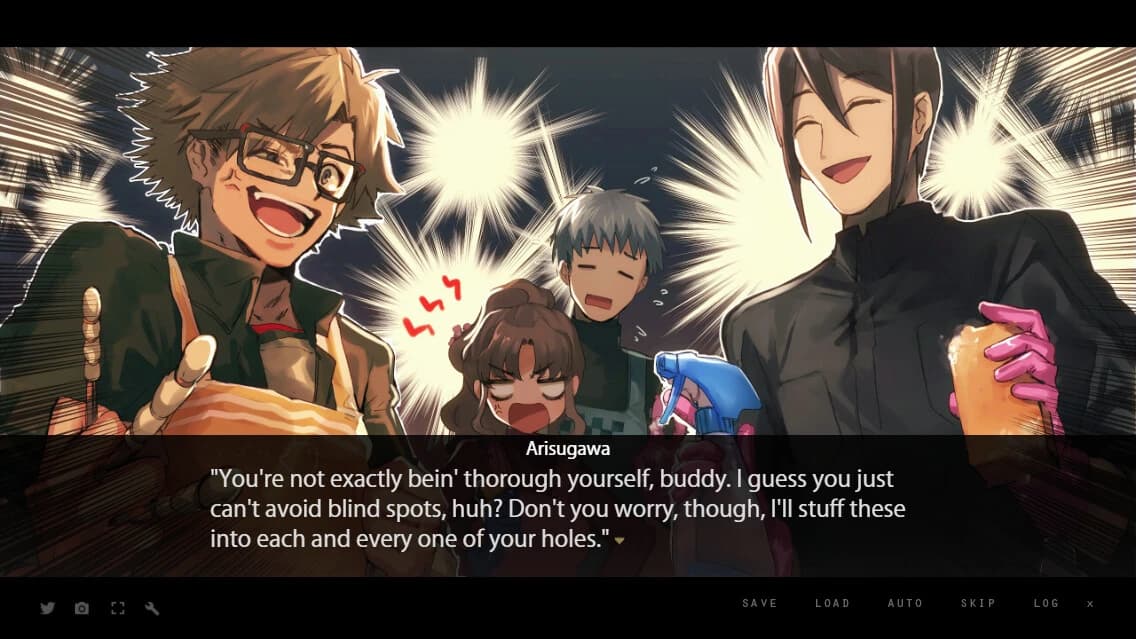
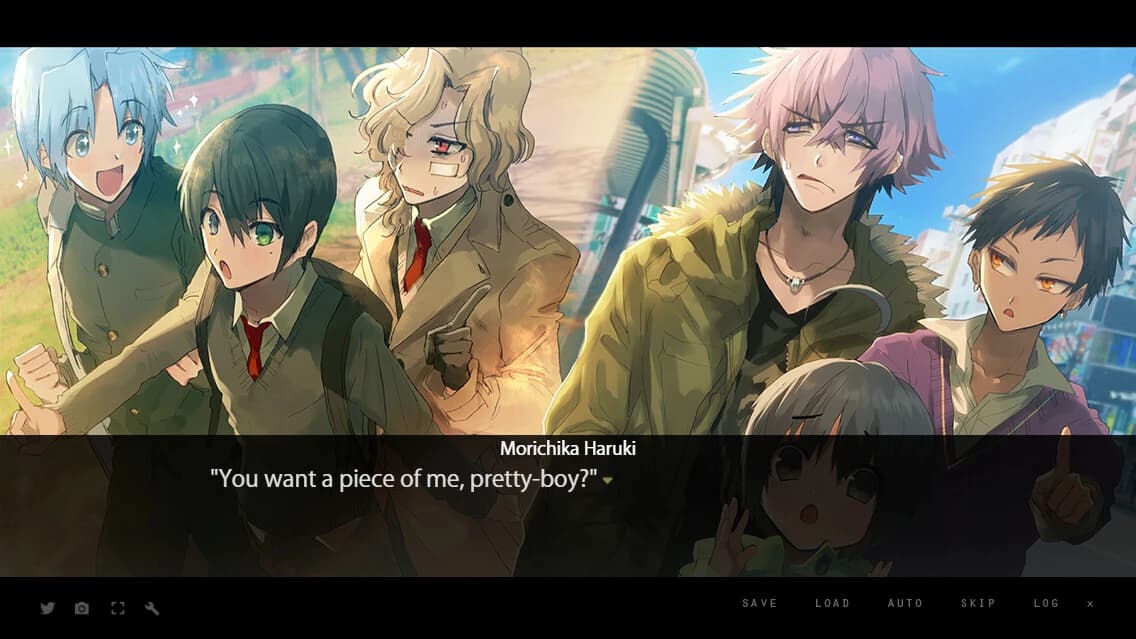
The artwork feels carefully crafted, with a focus on mood rather than excess detail. Colors often lean toward muted tones, reflecting a sense of heaviness. Character expressions convey subtle feelings, allowing silence to speak loudly.
Music blends seamlessly into scenes, sometimes barely noticeable, yet always present. Tracks often linger in the background like distant memories, reinforcing tension and sorrow. Together, visuals and sound create an atmosphere that stays with you long after you close the game.
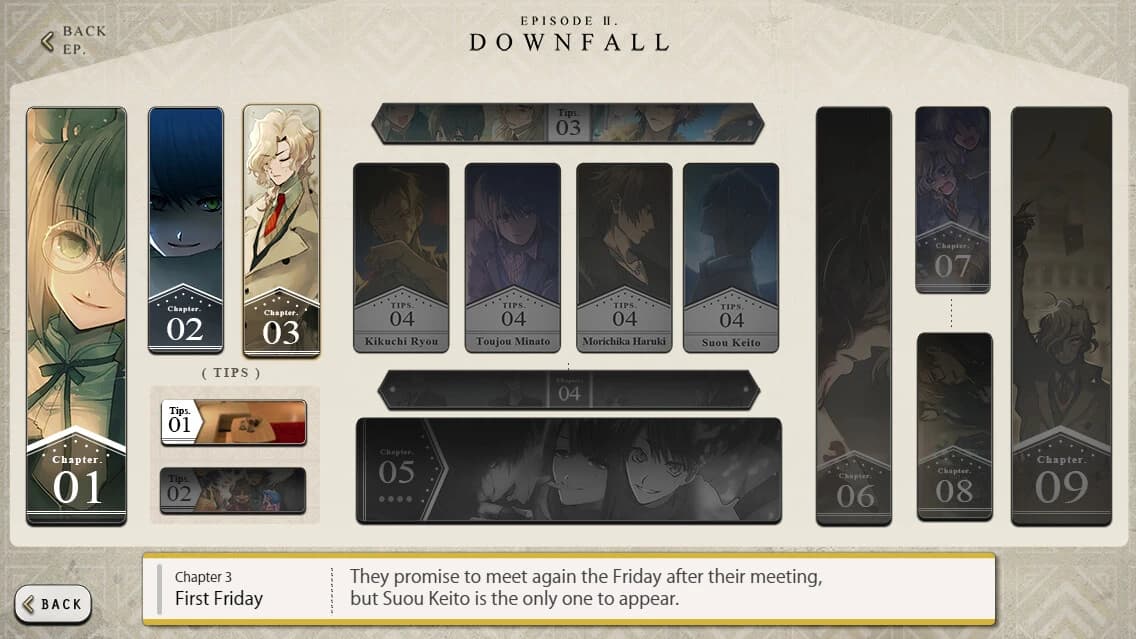
With over 20 different endings, replay value remains high. Each ending explores a different emotional outcome rather than ranking success or failure. Some present growth, others bring collapse, and many leave questions unanswered.
Returning to earlier choices reveals new layers. Lines of dialogue gain new meaning once you understand what lies ahead. The story encourages reflection, making each replay feel less like repetition and more like uncovering another side of the same truth.
This title treats the end of the world as something quiet and personal. Instead of focusing on external destruction, it looks inward. The fear of meaninglessness, the comfort of routine, and the danger of blind trust form the core themes.
Playing feels like sitting with uncomfortable thoughts rather than escaping them. It does not rush to explain or comfort. Instead, it allows uncertainty to remain, trusting the reader to find meaning within it.
MAMIYA is not a light experience, but it is a thoughtful one. It speaks to anyone who has felt lost, numb, or uncertain about the future. Through careful storytelling, layered characters, and an unsettling atmosphere, it creates a lasting emotional mark. If you enjoy visual novels that focus on psychology, mystery, and quiet dread rather than action, this journey is worth your time.
Leave a comment
Your email address will not be published. Required fields are marked *